Neuro-Oncology Ecosystem Mapping & Plasticity
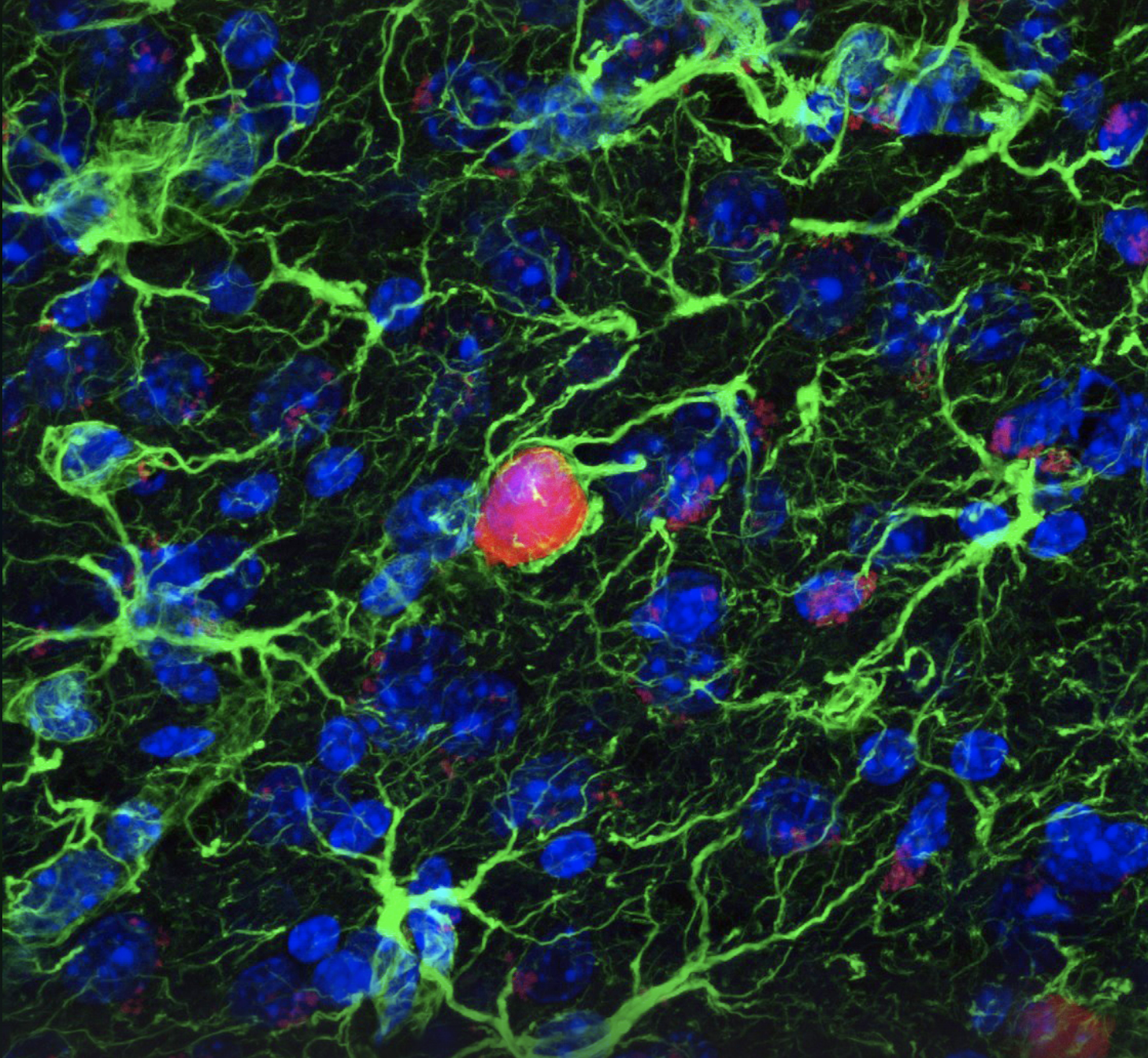
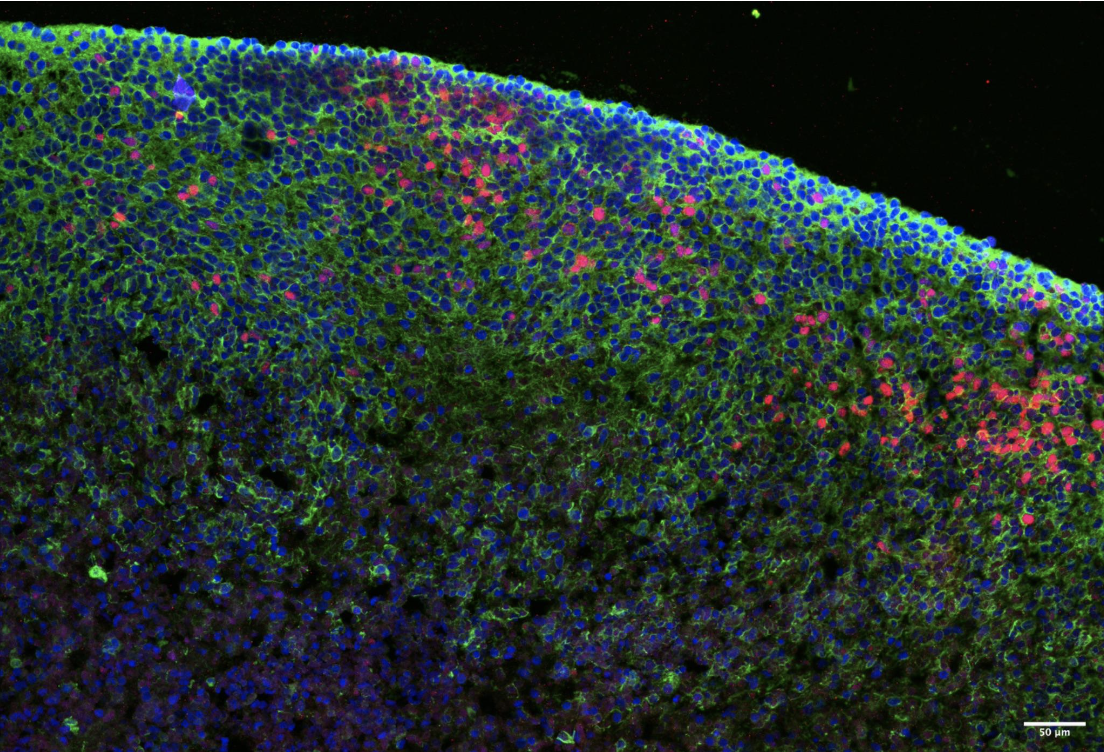
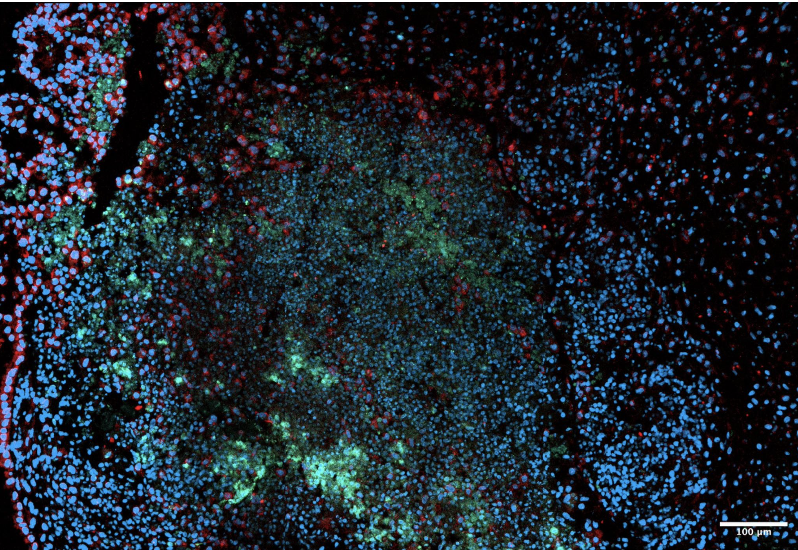
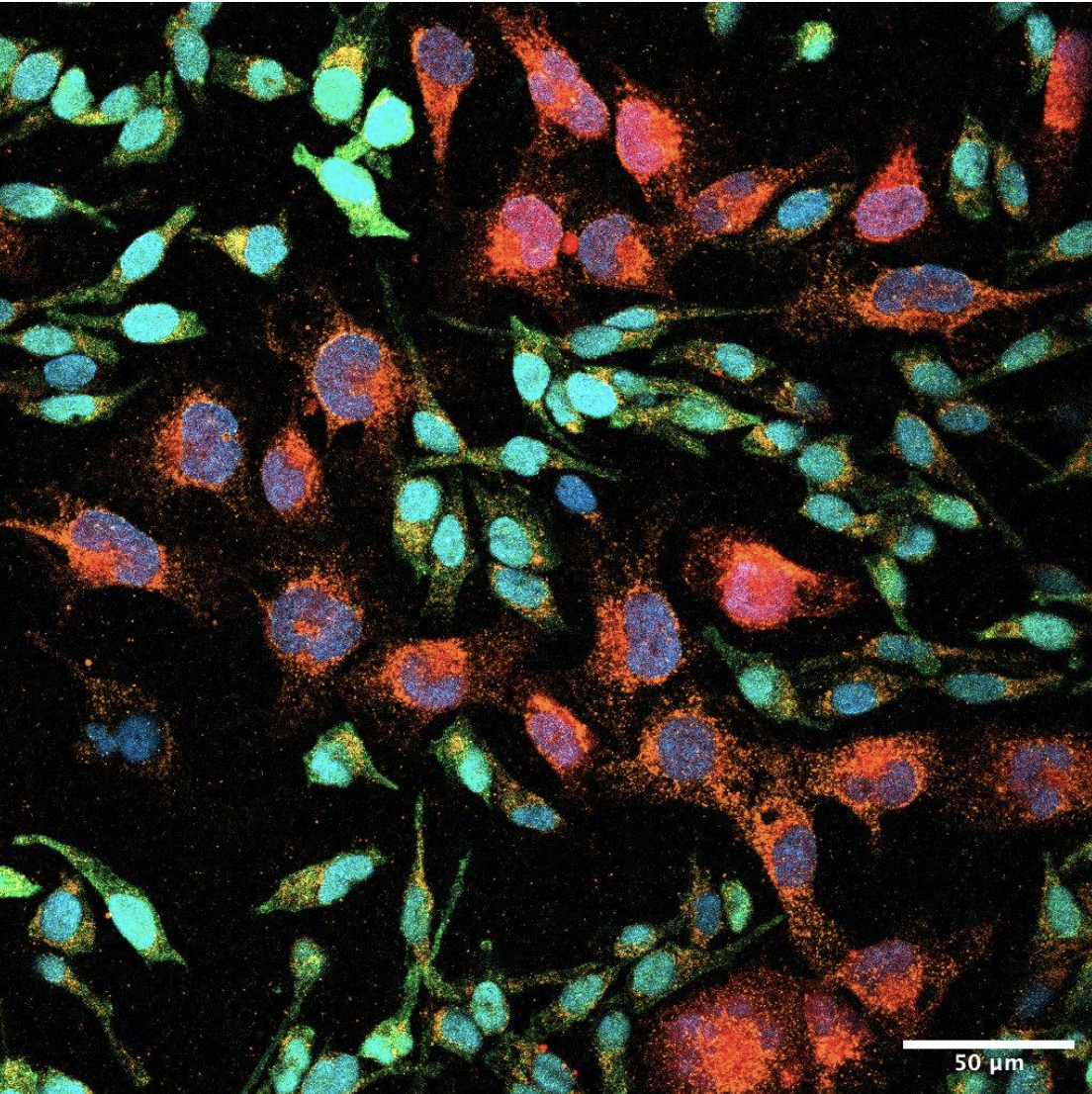
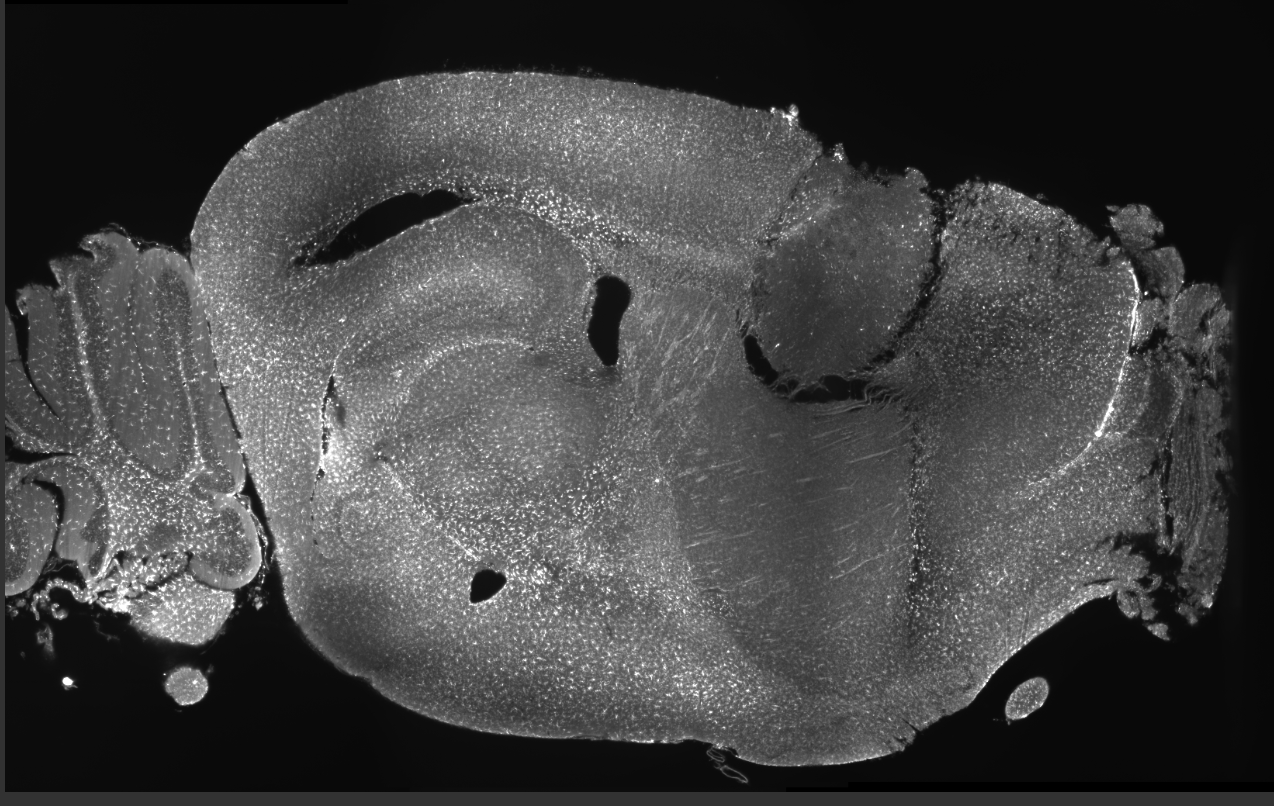
Our lab is interested in understanding how brain tumors develop, evolve, and interact with the surrounding brain environment. We focus particularly on IDH-mutant gliomas and glioblastoma, combining patient-derived models, cerebral organoids, single-cell and spatial omics, whole-brain imaging, and functional experiments to uncover mechanisms of tumor progression, recurrence, and therapeutic resistance. Through this work, we aim to identify new vulnerabilities that may ultimately help improve treatment strategies for patients with brain tumors.
We enjoy working at the interface of different disciplines and building a collaborative, curious, and supportive lab environment where people can ask ambitious questions and develop their own scientific ideas.